

Materials
Did you know that plants can provide far more than food? For thousands of years, people have transformed natural materials into paper, dyes, adhesives, medicines, and countless other useful products. In this section, discover how papyrus can be turned into paper, how Oregon grape produces both colorful dyes and medicinal remedies, how pine bark and other plants create natural pigments, and how pine pitch can be used as a versatile adhesive. Through these experiments, you'll uncover the remarkable materials hidden within the natural world and learn how people have used them for generations.

Papyrus Paper
Did you know that one of the world's most famous writing materials was made from a marsh plant? Thousands of years ago, the ancient Egyptians transformed papyrus into a durable paper that carried records, stories, and knowledge across generations. In this video, follow an attempt to recreate this remarkable material from wild papyrus, discover how the plant's sweet inner stem differs from its tough outer fibers, and learn how experts distinguish genuine papyrus paper from modern imitations. Along the way, unexpected challenges reveal just how sophisticated ancient papyrus-making techniques may have been—and why this seemingly simple plant played such an important role in history.
Oregon Grape Experimentation
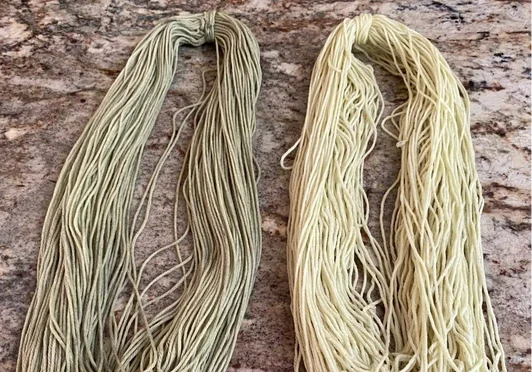
Could a single wild plant provide food, medicine, and even dye? In this video, we put Oregon grape to the test through a series of experiments. Follow the process of turning its tart berries into homemade jam, explore the remarkable properties of berberine—a compound hidden within the plant's bright yellow bark—and discover how traditional remedies can be prepared from this often-overlooked shrub. But the most surprising result comes from an unexpected dye experiment, where exposure to oxygen appears to transform Oregon grape's yellow color into a striking mint green. Is this unusual color change real, and what causes it? Join us as we explore the many uses of Oregon grape and uncover the surprising results of hands-on experimentation.
How Materials are influenced by Plants
The materials explored in this section reveal just how many useful products can come from nature. Yet every sheet of papyrus paper, natural dye, medicinal remedy, or pine pitch adhesive begins with a deeper understanding of the plants themselves. By learning to identify species and understand their unique properties, you can better appreciate where these remarkable materials originate. Continue to the Plants section to discover the fascinating adaptations, uses, and characteristics of the plants that make many of these natural materials possible.