

Poisonous Plants
What if one of the most beautiful trees in the landscape had a hidden side? Many people admire the blossoms and berries of flowering dogwood without realizing the important ecological and chemical defenses that help protect it. In this section, explore the fascinating world of poisonous and potentially harmful plants. Learn how these species interact with wildlife, why they produce toxic compounds, and how understanding them can help us appreciate nature more safely and responsibly.
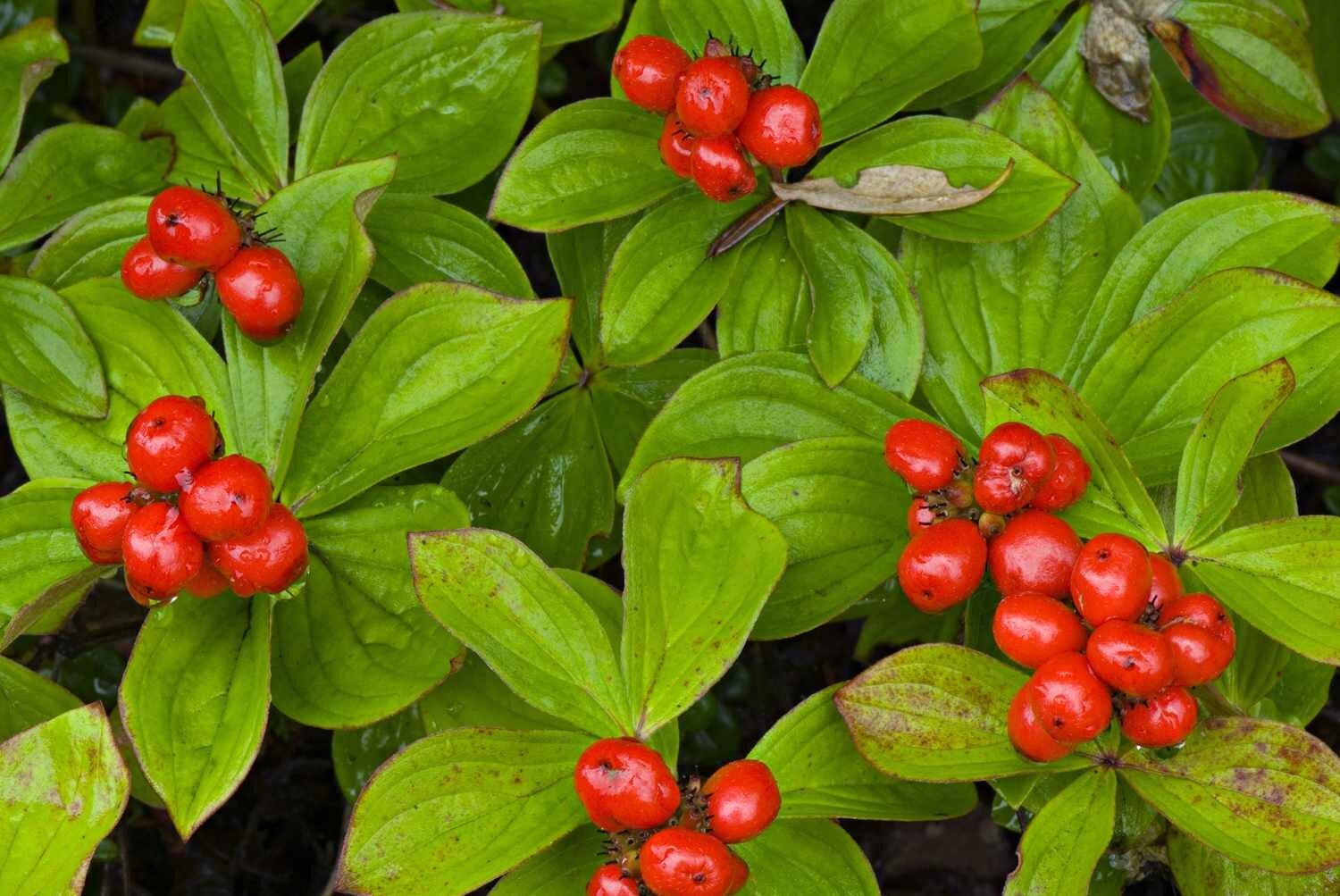
Flowering Dogwood
Could two nearly identical trees have completely different effects on those who encounter them? Many people admire flowering dogwood and Kousa dogwood for their beautiful blossoms, yet their fruits tell very different stories. In this video, discover how to distinguish between these species, learn about the potentially harmful properties of flowering dogwood, and explore why accurate plant identification is an essential skill for every nature enthusiast.
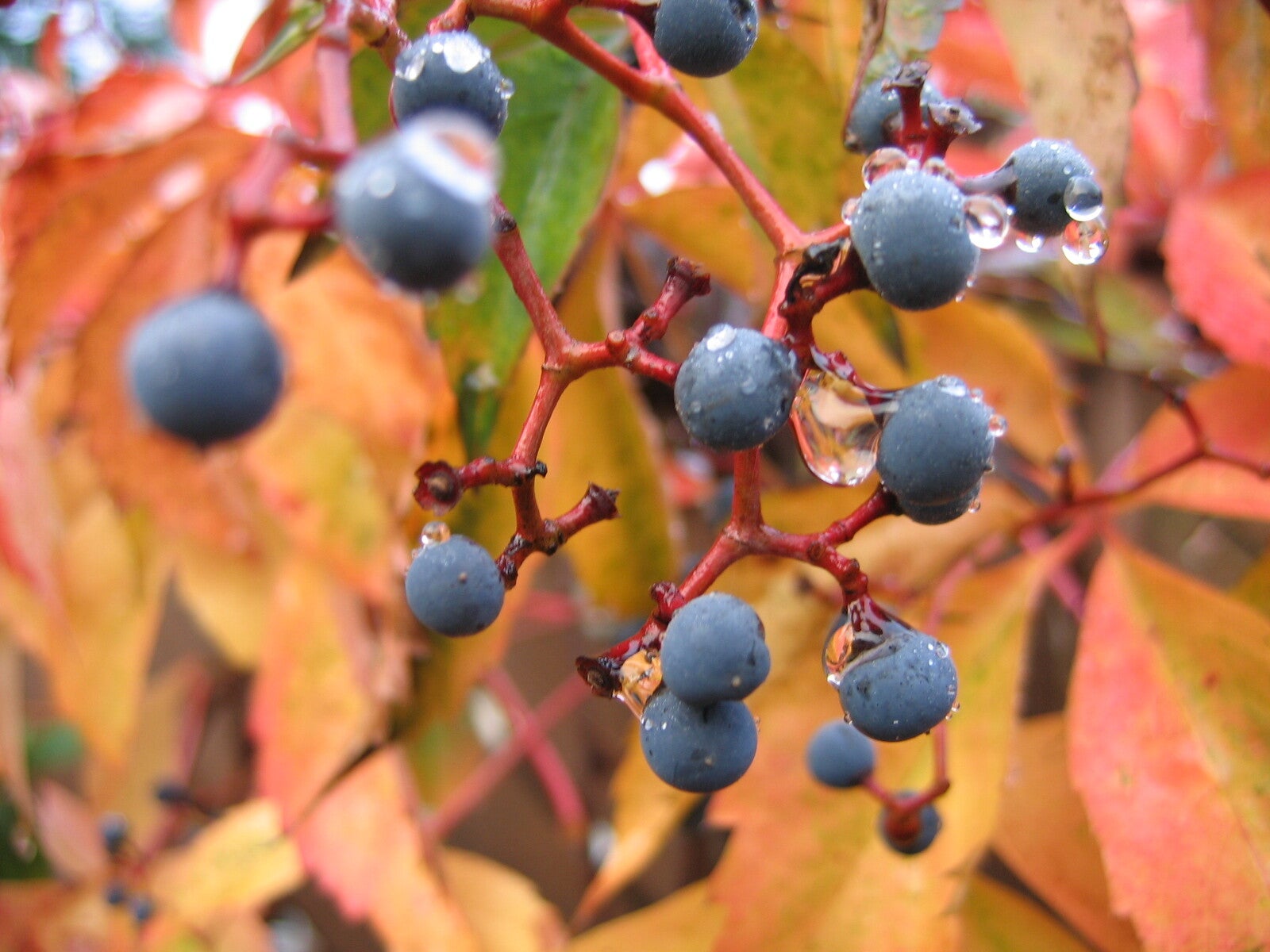
Boston Ivy
What allows a vine to scale walls, fences, and even towering buildings with ease? Boston ivy is a fascinating plant that can transform entire structures into living walls of greenery. In this video, learn where Boston ivy grows, how to distinguish it from similar vines, and the many reasons not to eat it.
Our passion for understanding nature
At Living in the Forest, every discovery leads to another question. As you explore the hidden defenses and surprising adaptations of poisonous plants, you begin to see that the plant kingdom is full of contrasts. While some species protect themselves with toxic compounds, others have been used for centuries as food, medicine, and valuable natural resources. Continue your exploration in our Herbs & Edible Plants section to uncover the fascinating plants that nourish ecosystems, wildlife, and people alike.