

Preparation of Wild Food
Did you know that acorns can be made into a coffee-like drink and that chicory roots have been used as a coffee substitute for centuries? Even familiar plants often have surprising uses when prepared correctly. In this section, explore videos that demonstrate how wild foods can be transformed into beverages, jams, and other useful products. Learn about the uses of yucca fruits and flowers, discover how rosehips, apples, Kousa dogwood fruits, mulberries, Oregon grape berries, and other plants can be made into jams, and uncover the fascinating techniques that turn nature's harvest into valuable foods.

Acorn and Chicory Coffee
Could two common forest plants create beverages with completely different flavors and histories? Acorns and chicory have both been used for generations as coffee substitutes, yet each offers a unique experience. Acorn coffee is often described as mild, smooth, and tea-like, while chicory coffee is known for its rich, robust, and pleasantly bitter flavor. In these videos, discover how these remarkable plants are harvested and processed, learn about the traditions behind their use, and explore the fascinating journey that transforms ordinary roots and nuts into distinctive drinks. You may be surprised by the flavors hidden within the natural world around you.
OR
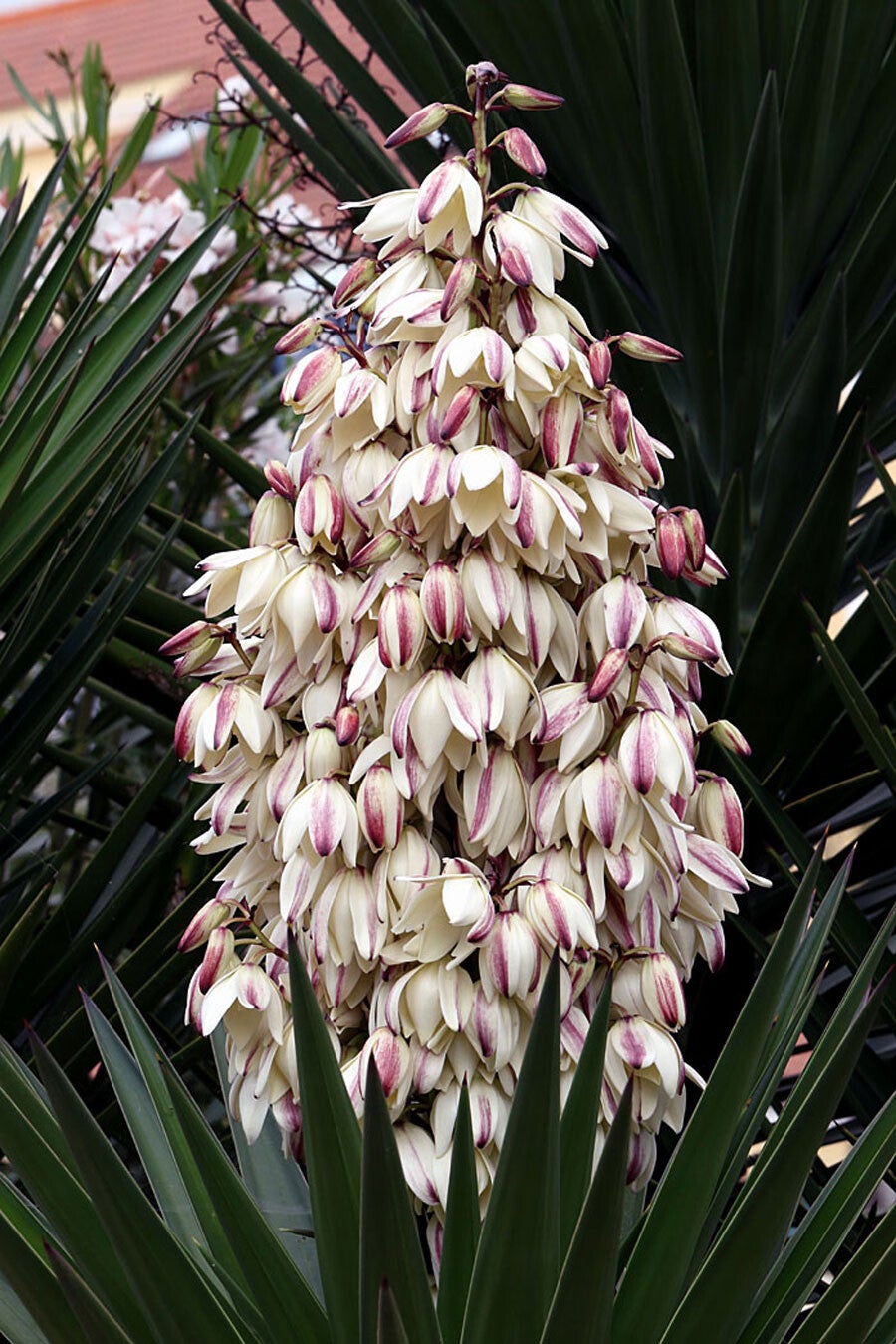
Yucca Fruit and Flower Preparation
Could a plant best known for surviving harsh desert conditions also provide flowers, fruits, fiber, and even soap? In this video, explore the surprising edible side of the yucca as we harvest its flowers, prepare traditional recipes, and investigate the little-known fruits that develop after flowering. Along the way, discover why some yucca flowers must be specially prepared before eating and learn how this extraordinary plant has supported people in far more ways than most would imagine.
Understanding Plants
Not every plant that looks appealing belongs on the dinner table. Some species produce nourishing foods, while others contain powerful toxins hidden in their leaves, berries, flowers, or roots. Could two nearly identical plants have completely different effects on those who encounter them? Visit our Poisonous Plants section to uncover surprising examples, learn how to recognize potentially harmful species, and discover why plant identification is one of the most important skills for anyone interested in wild foods.