

Animals
The animal kingdom is filled with extraordinary stories waiting to be discovered. Why do some species thrive while others struggle? How can a single invasive insect affect an entire ecosystem? Through photography, observations, videos, and research, this section explores the lives of animals both great and small. Journey into the world of wildlife, uncover fascinating adaptations and behaviors, and learn how conservation efforts—including the fight against invasive spotted lanternflies—help protect the natural world around us.
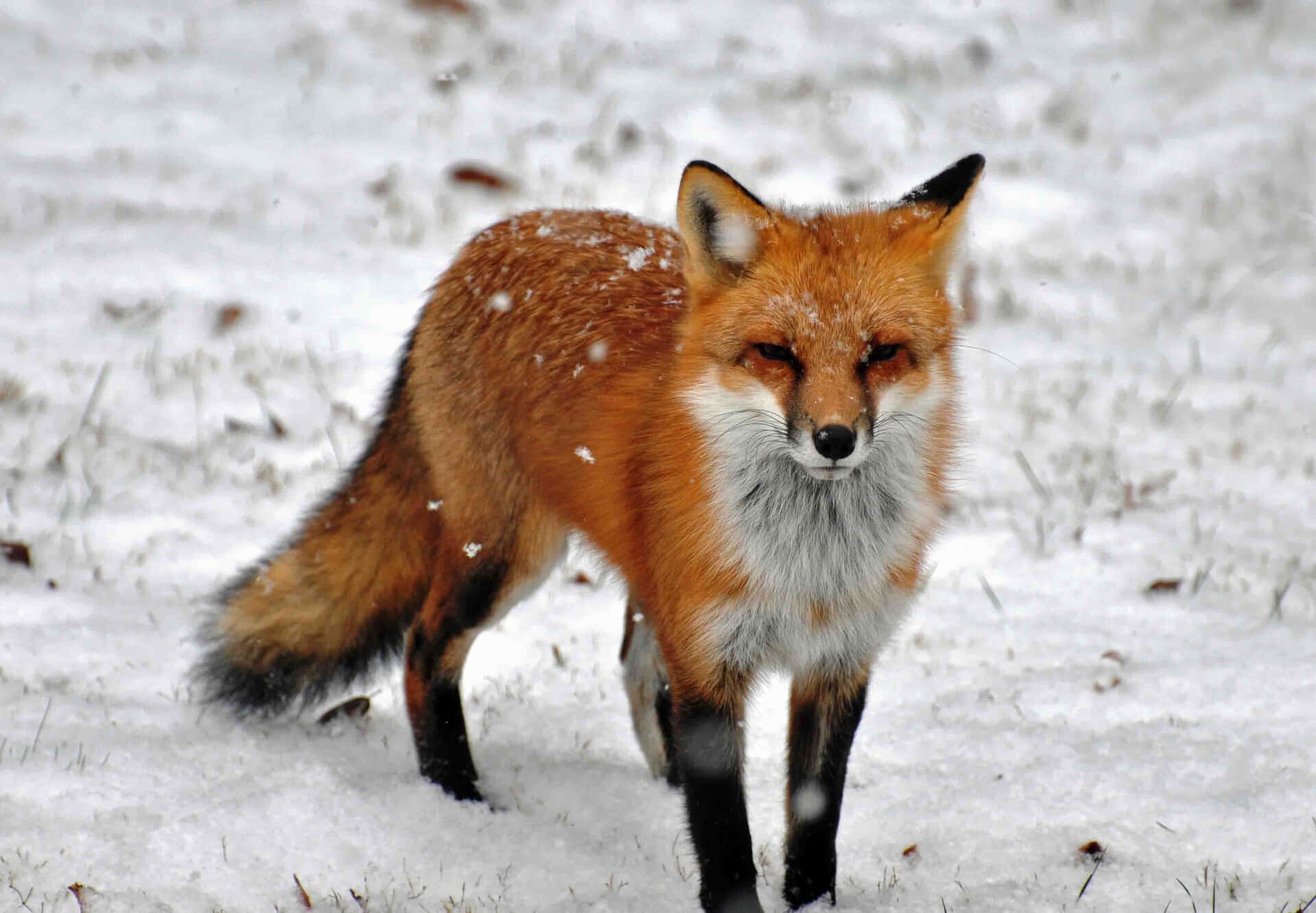
Assembling a Fox Skeleton
A chance discovery in the forest led to an intriguing question: what story could these bones tell? Join me as I locate, excavate, and document a collection of fox bones, recording where each was found before carefully cleaning and preserving them for study. Through this hands-on investigation, we'll explore the structure of the fox skeleton, learn about the functions of different bones, and uncover how anatomy helps us better understand the lives of wild animals.
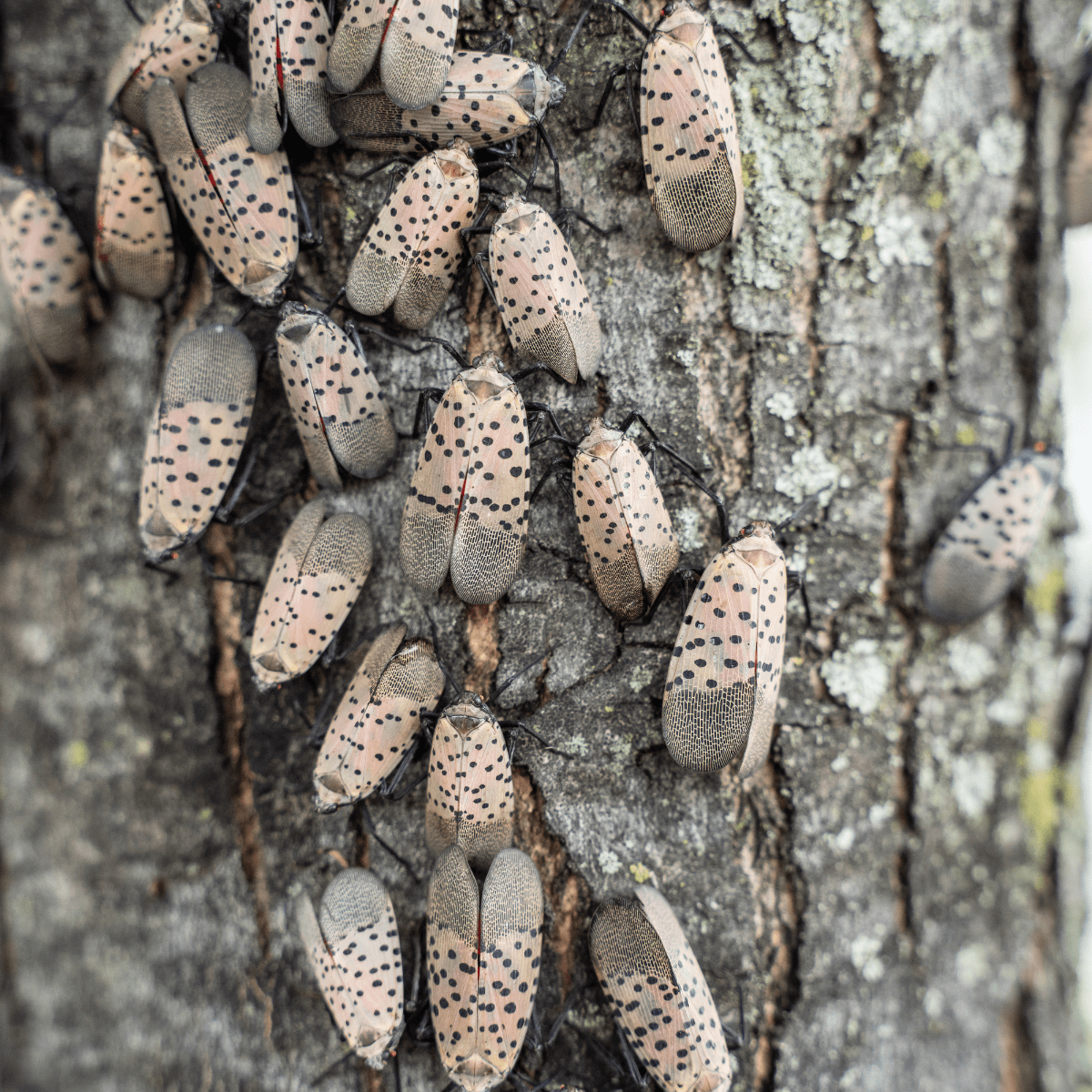
Lanternfly Eradication
Spotted lanternflies are one of the most destructive invasive insects in the United States. Native to eastern Asia, they have spread across numerous states, threatening forests, farms, and gardens. By feeding on plant sap, these insects weaken trees and other plants, reducing their ability to photosynthesize and grow. In this video, learn how to identify spotted lanternflies, understand their impact on local ecosystems, and discover effective ways to help stop their spread.
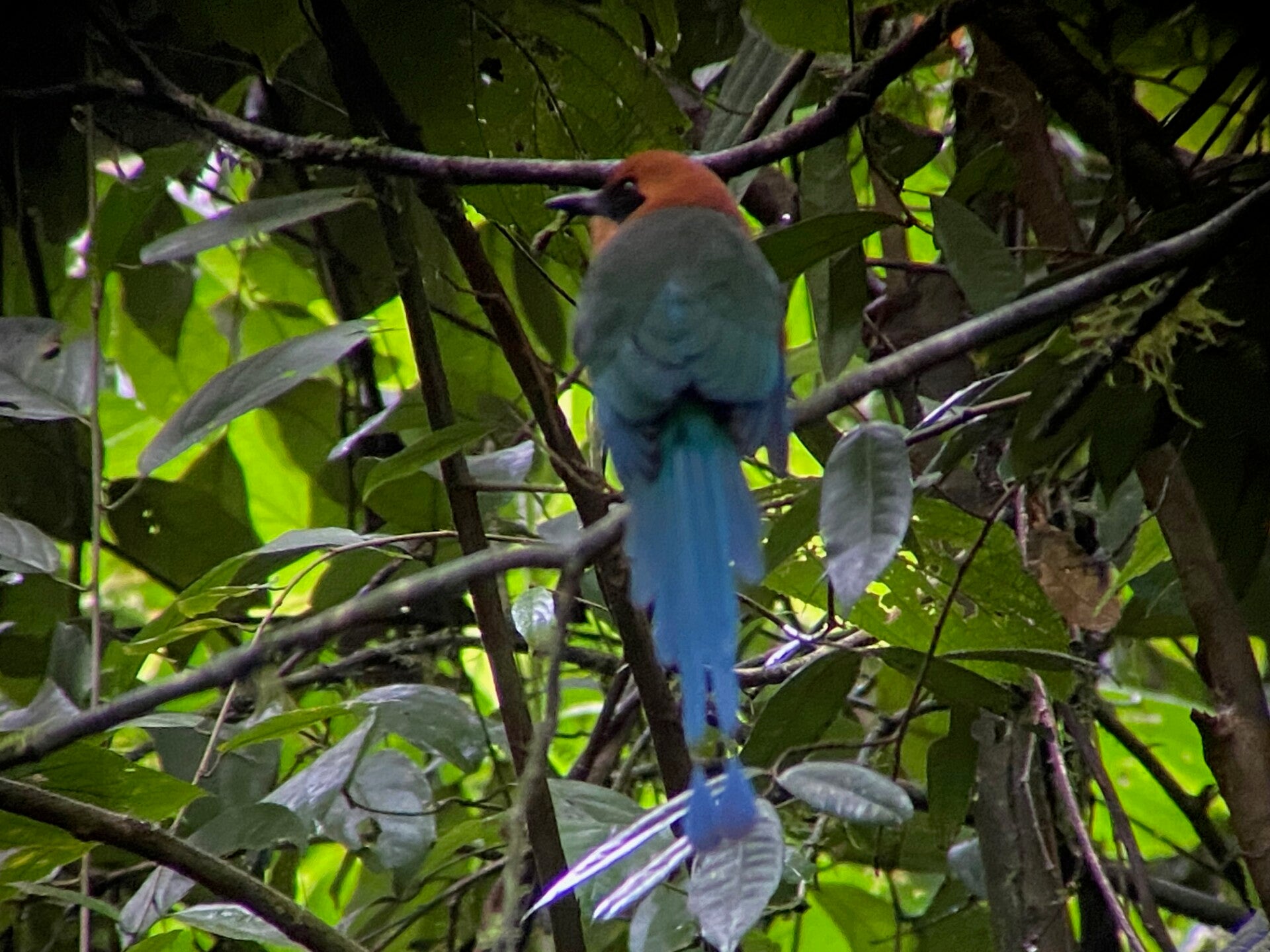
Our passion for Wildlife
At Living in the Forest, we believe that curiosity is the beginning of every adventure. By observing animals and exploring their habitats, we uncover the countless connections that shape the natural world. Each discovery reveals another piece of nature's story—from the insects that pollinate flowers to the plants that provide food and shelter for wildlife. Continue your exploration in our Herbs & Edible Plants section, where you'll discover the remarkable plants that help sustain these ecosystems.